Rapid Heat Transfer
Aluminum carries outdoor temperatures through the frame, especially when there is no thermal break. On a 115-degree Phoenix afternoon, the interior edge can feel nearly as hot as the exterior wall.
Phoenix Window Co. has replaced thousands of aluminum-framed windows across the Salt River Valley, where the main disadvantages are rapid heat transfer, condensation, corrosion, and aging seals. These drawbacks matter in Phoenix because a metal frame can work against indoor comfort through the hottest months and demand more upkeep as it ages.
Aluminum carries outdoor temperatures through the frame, especially when there is no thermal break. On a 115-degree Phoenix afternoon, the interior edge can feel nearly as hot as the exterior wall.
Warm, humid air meeting a cooler metal frame can leave moisture at the sill during monsoon season. Scratches and reclaimed-water irrigation overspray can also accelerate pitting around frame joints.
UV exposure and repeated expansion and contraction wear on gaskets, finishes, fasteners, and glazing seals. Caulking, coating, lubrication, and weather-stripping replacement can slow deterioration but do not remove the underlying thermal disadvantage.
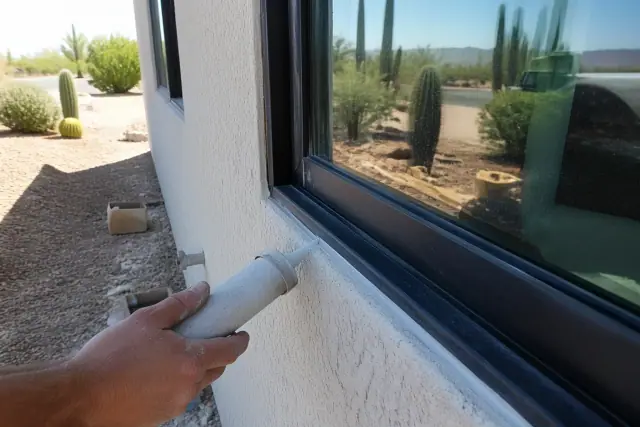
A south- or west-facing frame in direct afternoon sun, with the interior metal edge visibly exposed. This makes the frame-level thermal bridge easier to understand than a glass-only comparison.
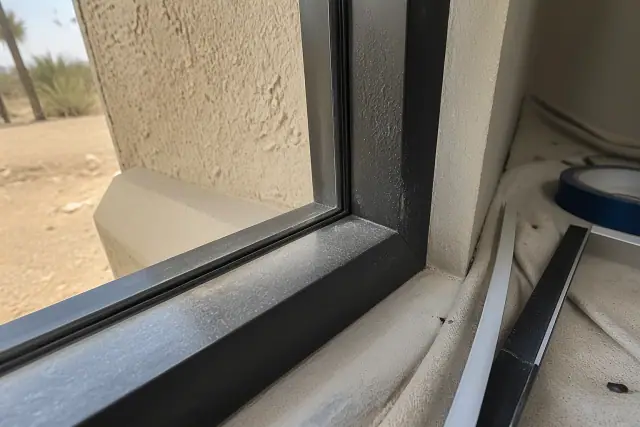
Focus on sill moisture, chalky white oxidation, and small pits near corners or hardware. These details reveal how repeated moisture can weaken seals and damage nearby finishes.
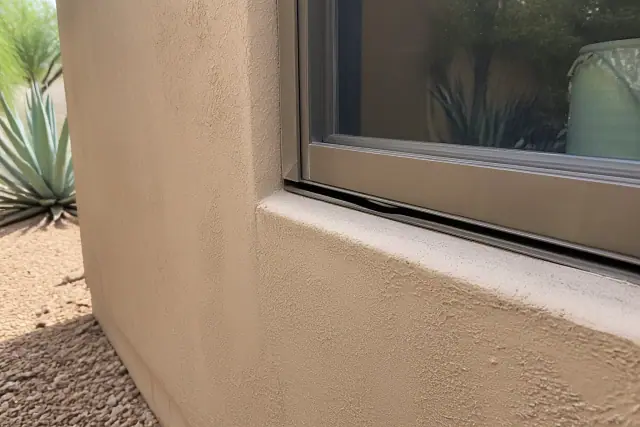
Pane fogging beside shrunken weather stripping and a visible frame gap on an older slider. These are common inspection clues on 1970s and 80s aluminum windows that have endured years of thermal cycling.
A shift from 75 degrees at dawn to 110+ by afternoon repeatedly expands the frame and stresses glazing seals. Over time, that movement can loosen fasteners and contribute to warping or air gaps.
Condensation can pool at the sill, affecting paint, drywall, and nearby wood trim. Aluminum does not rust like steel, but oxidation can leave chalky residue and pitting that gradually compromises seals.
With more than 300 sunny days a year, Phoenix UV exposure can degrade gaskets and discolor finishes within a decade. Weather stripping may need replacement every few years, along with periodic lubrication, caulking, and coating checks.
Aging sliders can pass more road or aircraft noise near Sky Harbor, Camelback Road, or I-17 as seals loosen. Warped frames and worn weather stripping also leak conditioned air during Phoenix's six-month cooling season.
| What to Review | Aluminum-Frame Drawback | What to Check Instead |
|---|---|---|
| Phoenix heat | Solid metal creates a direct thermal bridge. | Look for a thermal break, Low-E glass, and an insulated frame. |
| Monsoon moisture | Condensation and irrigation overspray can accelerate pitting around joints. | Inspect sill moisture, chalky oxidation, caulk, and frame corners. |
| Long-term upkeep | Seals, gaskets, hardware, and finishes need recurring attention. | Compare maintenance needs and the condition of each opening. |
| Phoenix replacement cost | Standard aluminum installation runs roughly $340 or more per square foot. | Vinyl generally starts around $280 per square foot before style, glazing, and sizing changes. |
Phoenix regularly experiences 100+ degree stretches, while surfaces on south- and west-facing walls can exceed 150 degrees in summer. A solid aluminum frame passes more of that heat inward, making older windows a weak point around an air-conditioned room. Even winter nights near the mid-30s can create cold transfer and drafts at the sill.
The frame's age, presence of a thermal break, glazing package, orientation, and seal condition all affect whether maintenance or replacement makes more sense. Low-E coatings and argon-filled double-pane or triple-pane glass reduce heat gain, while multi-chamber vinyl frames resist transfer better than solid metal. Casement and awning styles can also seal more tightly than aging sliders because their compression hardware pulls the sash against the weather seal.
Why avoid aluminum when summer highs regularly exceed 105 degrees? Its strength does not offset the heat carried through an unbroken residential frame. Can maintenance solve the problem? New caulk and protective coatings may slow leaks and oxidation, but fogging, warping, recurring condensation, or failing seals point to broader frame and glazing issues. What alternatives work better? Thermally broken frames or vinyl paired with Low-E, argon-filled glazing provide stronger insulation with less finish maintenance.
If an aluminum frame is hot to the touch, fogged between panes, pitted, warped, or leaking air, an opening-by-opening assessment can clarify whether maintenance or replacement is appropriate. A consultation can compare frame materials, window styles, glazing packages, custom sizing, and the condition of each opening before a scope is set.