Measure the Rough Opening
A site visit records exact width and height across the opening, using the narrowest and shortest readings for the fabrication dimensions.
Ordering a custom size window starts with accurate rough-opening dimensions so the new unit is built for the opening instead of forced into a stock size. At Phoenix Window Co., we measure, fabricate, and install custom windows for Phoenix-area homes and commercial properties, from a single casement to a full new-construction glazing package.
A site visit records exact width and height across the opening, using the narrowest and shortest readings for the fabrication dimensions.
Compare vinyl, aluminum, or hybrid frames, then select the glass package, window style, and hardware that fit the opening and project.
Review the material, U-factor, glass package, and installation details in writing before any vinyl profile or aluminum extrusion is cut.
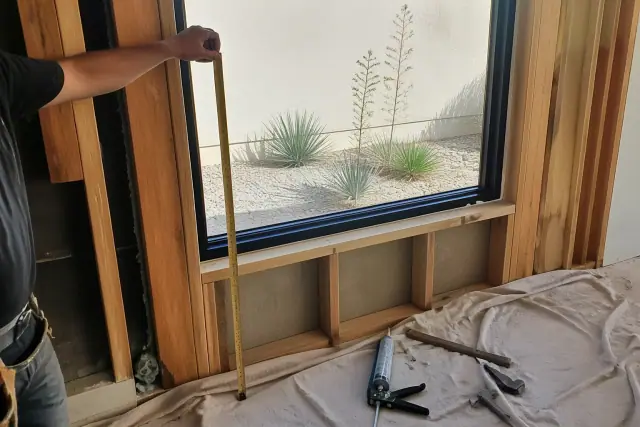
Width and height readings taken across the opening, with the narrowest width and shortest height marked for fabrication.
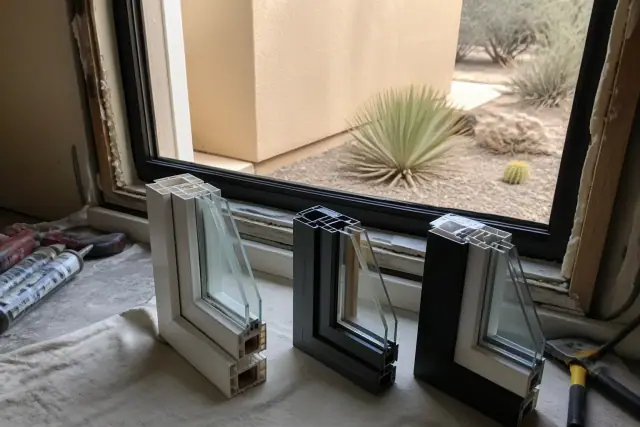
Compare the thicker insulated profile of vinyl with aluminum's slimmer sightlines, plus the construction of a hybrid option.
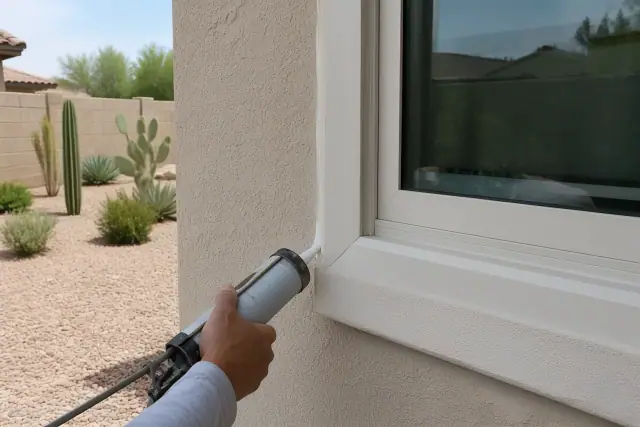
How the frame meets the rough opening so flashing, perimeter seals, weep paths, and stucco patching can be evaluated before installation.
Record the rough opening rather than an assumed stock size, especially in older or historic homes where openings may not be standard.
Vinyl suits residential insulation and low-maintenance priorities, while aluminum provides slim sightlines and commercial durability.
Custom production begins after the measurements and specifications are approved, so the order needs more lead time than an in-stock unit.
An online factory-direct order puts measurement accuracy and code compliance on the buyer, which adds risk for structural or historic openings.
| Order Decision | What to Confirm | Why It Matters |
|---|---|---|
| Opening dimensions | Width and height across the opening; retain the narrowest and shortest readings. | The unit is fabricated to the rough opening rather than trimmed to fit. |
| Frame material | Vinyl, aluminum, or a hybrid frame system. | Material affects insulation, sightlines, durability, and the frame profile. |
| Glass and hardware | Glass package, U-factor, window style, and operating hardware. | These choices define performance and how the finished window operates. |
| Installation scope | Flashing, sealing, stucco patching, permitting needs, and written inclusions. | A clear scope connects fabrication details to the finished installation. |
A custom size window is fabricated to the measured rough opening, then installed with the specified frame, glass, and hardware. The same process can cover a casement in an Arcadia bungalow, a historic opening near downtown Phoenix, or a full glazing package for new construction in Ahwatukee or Desert Ridge. Professional installation also addresses flashing, sealing, stucco patching, and the manufacturer warranty.
Phoenix averages over 100 days a year above 100°F, so frame fit, reinforced construction, dual-pane low-E glass, and perimeter sealing all matter in the Salt River Valley. Weep systems also need to manage monsoon downpours, while the chosen window style-double hung, sliding, or casement-changes the profile and hardware. Structural or historic openings may also require a Maricopa County permit, so permitting should be confirmed before fabrication.
Can you order a custom window online? Some manufacturers accept customer-submitted dimensions, but the buyer then owns measurement accuracy and code compliance. Which details belong in the proposal? Confirm the frame material, glass package, U-factor, hardware, and installation scope in writing so fabrication and installation are based on the same specifications.
Share the opening, window style, and frame preferences for your Phoenix metro project. A site visit can confirm the dimensions and define the glass, hardware, fabrication, and installation scope before you place the order.